How to Make a Trap Type Beat That Hits Like "Tension"
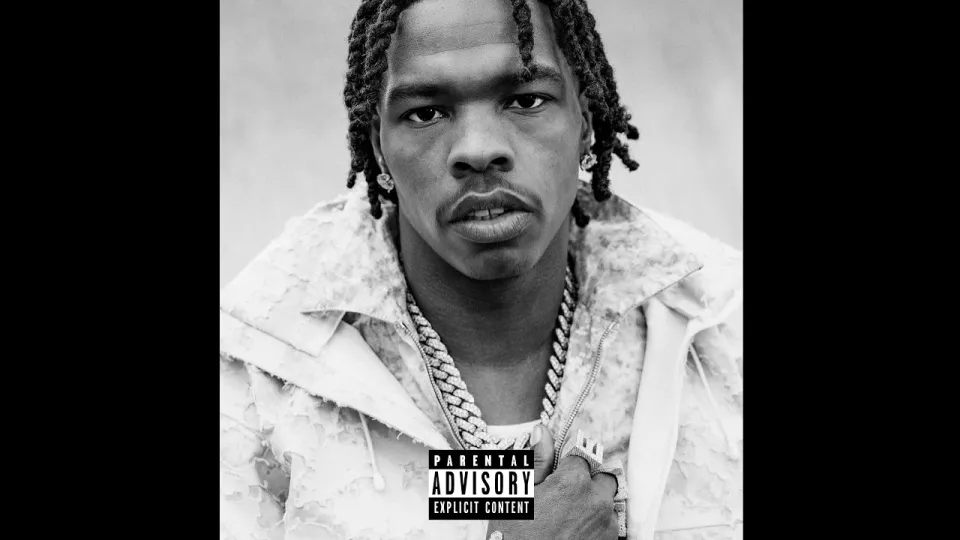
Video: TRAP TYPE BEAT - "TENSION" | FREESTYLE BEAT | HARD TYPE BEAT | FREE RAP INSTRUMENTAL 2026
Want articles like this for your own video to promote it on YouTube and Google? Order them through the Telegram bot @sat_sit_bot. Articles with your video embedded are written and posted by the bot itself — on popular topical sites (no ads). Free trial — 50 articles.
· based on the channel STORM
Key takeaways
- "Tension" is a hard trap type beat built for freestyle rap and released by the channel STORM on 15.09.2026.
- The untagged, for-profit license is sold via BeatStars at https://bsta.rs/7G7Oj; the tagged download is non-profit only.
- The free tagged version allows YouTube and SoundCloud use with no monetization, but not Spotify or Apple Music.
- STORM runs a buy-one-get-one-free deal on all beats in the store.
- A hard type beat usually lives around 130-150 BPM with the 808 pattern written in half-time.
A trap type beat is an instrumental made in the trap style and sold or shared for other artists to rap over, and making one that actually hits comes down to four things: a dark, simple melody, an 808 line that carries the low end, drums that leave space for a vocal, and a mix where the rapper sits on top instead of fighting the beat. STORM's "Tension" is a clean reference for that formula, and the untagged, for-profit version is available through the producer's BeatStars page at the "Tension" purchase link.
What a trap type beat actually is
A type beat is an original instrumental written in the style associated with a certain sound, region or artist, and the phrase "trap type beat" means the beat borrows trap's core ingredients: rolling hi-hats, booming 808 bass, sparse dark melodies and a tempo that feels slower than it counts. It is not a copy of an existing song; it is a beat built so a rapper can immediately hear themselves on it. That is why producers label beats with words like hard, dark, freestyle or free, and why search terms such as hard type beat, free trap beat or rap instrumental all lead to roughly the same market.
What separates a usable type beat from a loop is arrangement. A beat needs an intro, a verse section, a hook, a bridge or breakdown, and an outro, because the artist has to be able to write around changes. "Tension" leans hard on that idea: the title itself describes the feeling the beat is selling, and the description tags it as both a freestyle beat and a hard type beat, which tells you the intended use before you press play.
Tempo, key and the hard trap sound
Hard trap beats usually sit between roughly 130 and 150 BPM, with the drums written so the snare or clap lands on the third beat of a half-time feel. That combination gives you fast hi-hat subdivisions without making the rapper sprint. If you are building a beat from scratch, start here:
- Set the project tempo to 140 BPM and place the main clap on beat three of every other bar.
- Roll the hi-hats in 1/16 and 1/32 notes, and drop a few notes out every two bars so the pattern breathes.
- Tune your 808 to the root note of the melody and write a bassline that moves, not one that just holds.
- Keep the melodic loop to three or four notes; tension comes from repetition and silence, not from density.
- Leave the midrange open between roughly 300 Hz and 2 kHz so the vocal has somewhere to live.
Minor keys dominate this style because they read as serious and cold. A short, detuned piano or bell motif, a filtered pad and a single eerie counter-melody are usually enough. The mistake most beginners make is stacking five melodic layers and then wondering why the beat sounds muddy under a vocal.
How to structure a hard freestyle beat
A freestyle beat has to survive eight, sixteen or even thirty-two bars of continuous rapping, so repetition is a feature rather than a flaw. The structure below is the one most hard trap instrumentals follow, and it is a safe template for a beat like "Tension":
- Intro, 4 to 8 bars: melody only, or melody plus filtered drums, so the artist can find the pocket.
- Verse, 16 bars: full drums, full 808, melody at normal level.
- Hook, 8 bars: add one new element, usually an extra hat layer, a vocal chop or a wider pad.
- Verse two, 16 bars: same as verse one but with one element removed, so the energy resets instead of flattening.
- Bridge or breakdown, 4 to 8 bars: drop the drums, keep the melody and 808, then bring everything back.
- Outro, 4 to 8 bars: reverse the intro.
If you are writing a freestyle rap beat rather than a song beat, you can extend the verse sections and shorten the hook. Freestyle artists often want a long, stable loop with small variations, which is exactly what the tag "freestyle type beat" signals.
Mixing so the vocal sits on top
The mix is where most hard type beats fail. The low end has to be loud enough to feel physical but controlled enough that a rapper's voice is not buried. Practical targets that work well in this genre:
- Keep the 808 as the loudest single element, and sidechain or manually duck it under the kick if the two overlap.
- High-pass the melody around 100-150 Hz so it does not compete with the bass.
- Cut a narrow notch in the melody where the vocal's main presence band sits, roughly 1-3 kHz.
- Use short reverb on the snare and clap, and keep the hi-hats dry and bright.
- Check the beat on phone speakers and in a car; if the 808 disappears on a phone, add a light saturation layer an octave up.
A beat that sounds loud but leaves headroom is worth more to a rapper than a beat that is maximally compressed. Leave a few decibels of space and let the vocal take the top spot.
Free download versus a paid license
This is the part of the type beat market that confuses the most people, so read the terms before you upload anything. On "Tension", STORM offers two versions: a tagged free download for subscribers, and an untagged version for profit use. The rules are specific:
- The free tagged version is for non-profit use only: YouTube or SoundCloud with no monetization.
- The free version is not cleared for streaming services such as Spotify or Apple Music.
- The untagged version is the one you buy when you intend to make money from the song.
- All beats in the STORM store run on a buy-one-get-one-free basis.
If you are just practicing or posting a freestyle with no ads and no streaming release, the tagged version is fine. The moment you enable monetization or distribute to DSPs, you need the paid license. Producers keep the copyright, so buying a beat is a license, not a transfer of ownership.
Common questions from artists and producers
People who find a hard type beat usually ask the same handful of things, and the answers rarely change. Can you rap over a beat for free? Yes, within the limits of the free license, which means no monetization and no streaming platforms. What makes a beat "hard"? Mostly the low end, the minor-key melody and the space left for an aggressive vocal delivery. Does the beat need to be mixed for your voice? Ideally yes, and many producers offer stem delivery or a mix service on request. Is it worth paying for an untagged beat? If the song is going anywhere commercial, it is not optional.
The most common misconception is that a type beat is a knockoff. In practice, type beats are how most independent rappers find their sound: they search a style, find a producer whose drums they like, and build a catalog with that producer. Consistency between beats matters more than novelty for a rapper trying to develop a signature.
Useful links
- Untagged, for-profit license for "Tension": https://bsta.rs/7G7Oj
- STORM BeatStars store: https://www.beatstars.com/stormbeatzz/
- STORM BeatStars profile: https://www.beatstars.com/stormbeatzz
The bottom line
Making a trap type beat that works is less about buying more plugins and more about discipline: one strong melodic idea, an 808 line that moves, drums that leave room, and an arrangement that gives a rapper somewhere to go. "Tension" is a useful case study because it does all four without clutter, and it shows why hard type beats remain the backbone of independent rap. If you want the untagged version for a release, grab it at https://bsta.rs/7G7Oj and check the rest of the catalog while you are there. The channel STORM is the source of this breakdown and the producer behind the beat.
FAQ
Can I use "Tension" for free?
Yes, but only the tagged version and only for non-profit use, which means YouTube or SoundCloud uploads with no monetization. It is not cleared for Spotify, Apple Music or any other streaming service. If you want to earn from the song, you need the untagged license.
What tempo and key should a hard trap type beat be in?
Most hard trap beats sit between 130 and 150 BPM with a half-time drum feel, which lets the hi-hats move fast while the rapper stays comfortable. Minor keys are the default because they read as dark and tense. Pick a key that suits your vocal range rather than copying a reference track.
Do I need to credit the producer when I release a song on a type beat?
It depends on the license you buy, but crediting the producer is standard practice and often a written requirement. Always read the terms attached to the beat before you upload. When in doubt, put the producer's name in the title or description.
How do I know if a type beat is good enough to write to?
If you can hear a vocal pocket within the first eight bars and the beat still sounds full when you hum over it, it is working. A good hard type beat leaves space in the midrange instead of filling every frequency. If you have to shout to be heard, the beat is too dense.
Source: TRAP TYPE BEAT - "TENSION" | FREESTYLE BEAT | HARD TYPE BEAT | FREE RAP INSTRUMENTAL 2026 · Markdown version